
Blog
Peyote: An Overview

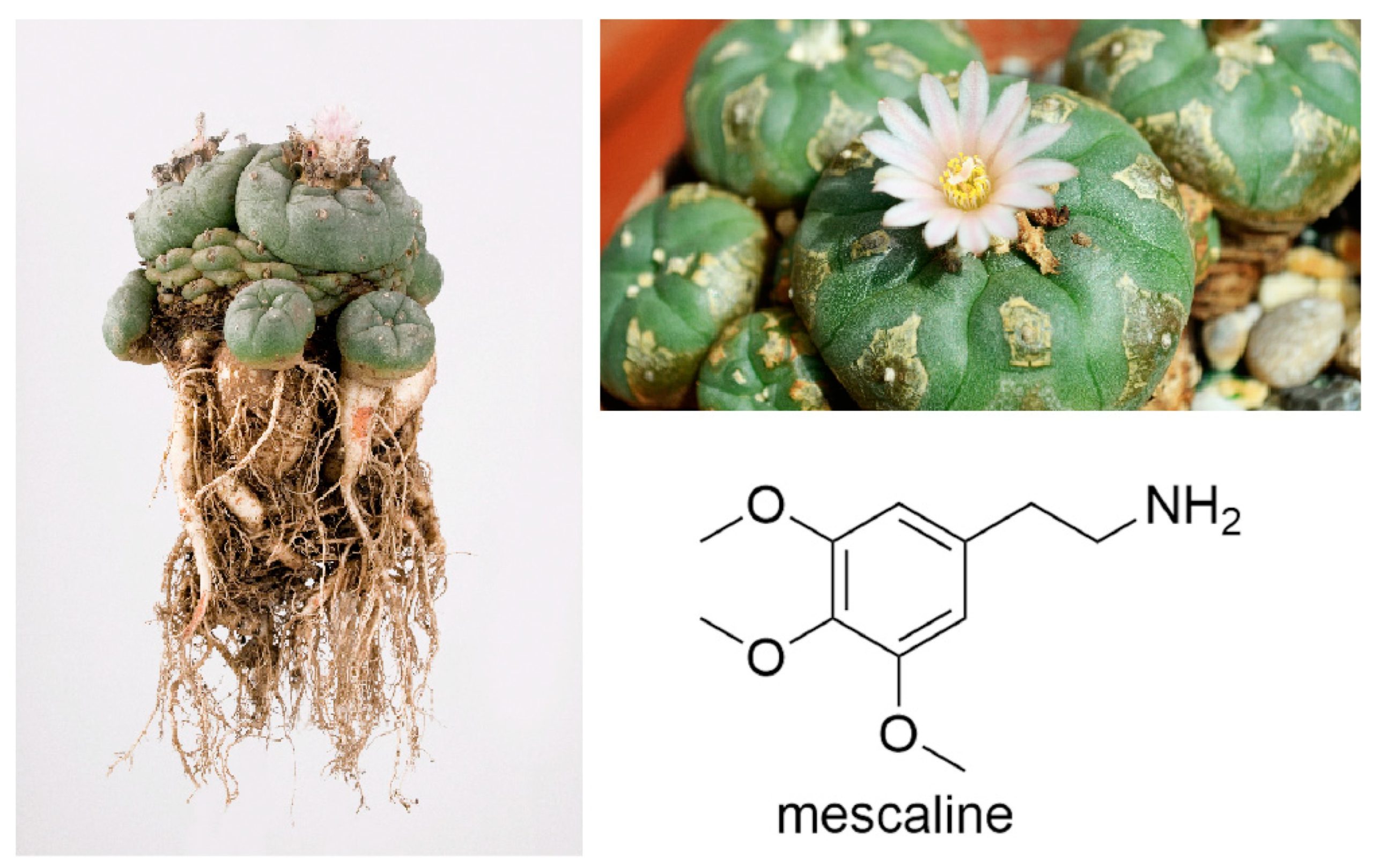
PEYOTE: An Overview
Peyote is one of the most well-known and revered sacred plants in the world. Scientifically known as Lophophora williamsii, this small, spineless cactus has been used for thousands of years for spiritual, ceremonial, and cultural purposes. Native to parts of northern Mexico and the southern United States, peyote holds a unique place at the intersection of botany, spirituality, history, and consciousness exploration.
In this comprehensive overview, we explore what peyote is, where it comes from, its cultural and spiritual importance, its natural properties, and why it continues to attract global interest today.
What Is Peyote?
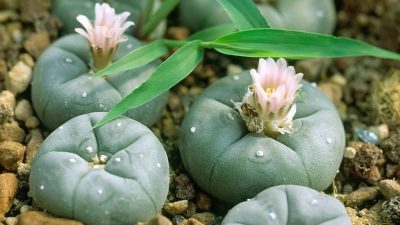
Peyote (Lophophora williamsii) is a slow-growing cactus that typically grows low to the ground in small, rounded clusters known as “buttons.” Unlike many cacti, peyote has no spines. Instead, it has a smooth, blue-green surface with subtle ridges and soft woolly tufts at the crown.
Key characteristics of peyote include:
-
Small, button-shaped growth form
-
Spineless surface
-
Pink or white flowers that bloom seasonally
-
Red or pink fruit containing small black seeds
-
Extremely slow natural growth rate
Peyote thrives in arid desert environments, particularly in limestone-rich soils. Due to its slow growth and ecological sensitivity, peyote is considered rare in the wild and is increasingly cultivated through ethical propagation methods.
The Active Compounds in Peyote
Peyote contains a variety of naturally occurring alkaloids, the most notable being mescaline. Mescaline is a psychoactive compound known for producing profound changes in perception, thought, and consciousness.
Other naturally occurring alkaloids contribute to peyote’s overall effects, but mescaline is the primary compound associated with its visionary and spiritual properties. The alkaloid content varies depending on the plant’s age, growing conditions, and cultivation methods.

Historical and Cultural Significance
Peyote has been used by Indigenous peoples of North America for thousands of years. Long before modern borders existed, Native tribes incorporated peyote into sacred ceremonies, healing rituals, and spiritual practices.
For many Indigenous cultures, peyote is not viewed as a substance, but as a sacred medicine and teacher. It has traditionally been used to:
-
Facilitate spiritual insight
-
Promote healing and balance
-
Strengthen community bonds
-
Aid in prayer and meditation
-
Connect individuals with nature and the divine
One of the most well-known modern spiritual traditions involving peyote is the Native American Church, where peyote is used as a sacrament in ceremonial settings. These ceremonies emphasize respect, discipline, prayer, and responsibility.
Spiritual Meaning of Peyote
Spiritually, peyote is often described as a plant that opens the heart and mind. Many cultures regard it as a bridge between the physical and spiritual worlds. Experiences associated with peyote are frequently described as introspective, grounding, and deeply meaningful rather than recreational.
Common spiritual themes associated with peyote include:
-
Self-reflection and clarity
-
Emotional healing
-
Connection to ancestors and tradition
-
Unity with nature
-
Insight into personal purpose
The sacred nature of peyote is central to its identity. Respect for the plant, the ceremony, and the lineage of its use is considered essential.
Peyote and Traditional Medicine
Beyond its ceremonial role, peyote has historically been used in traditional healing contexts. Indigenous healers have utilized peyote as part of holistic approaches to well-being, addressing both physical and spiritual imbalance.
Traditional uses have included:
-
Supporting emotional resilience
-
Assisting with pain and fatigue
-
Encouraging mental clarity
-
Enhancing spiritual strength
It is important to note that peyote’s traditional medicinal use is deeply tied to cultural knowledge and ceremonial context.
Legal and Ethical Considerations
The legal status of peyote varies depending on location. In many regions, peyote and mescaline are regulated substances, while specific exemptions exist for recognized religious and ceremonial use.
Because peyote grows very slowly in the wild, ethical considerations are extremely important. Overharvesting has placed natural populations under pressure, making sustainable cultivation and conservation essential.
At Sacred Peyote, we support responsible, ethical cultivation practices that respect both the plant and its cultural heritage.
Cultivation and Sustainability
Cultivating peyote requires patience, care, and respect for the plant’s natural rhythm. When grown responsibly from seed or propagated plants, cultivation can help reduce pressure on wild populations.
Basic cultivation principles include:
-
Well-draining soil
-
Minimal watering
-
Bright but indirect sunlight
-
Warm, stable temperatures
-
Long-term care and patience
Ethical cultivation ensures that peyote remains available for future generations while preserving wild ecosystems.
Why Peyote Continues to Inspire
Interest in peyote continues to grow worldwide, not only because of its unique properties, but because it represents a deeper relationship between humans, plants, and spirituality. Peyote reminds us of ancient wisdom, respect for nature, and the importance of intentional living.
For some, peyote is a botanical curiosity. For others, it is a sacred ally. For many, it is both.
Explore Peyote at Sacred Peyote
If you are interested in learning more about peyote or exploring ethically cultivated peyote plants and seeds, we invite you to visit our Shop Page at:
👉 https://sacred-peyote.com/shop/
At Sacred Peyote, our mission is to honor the tradition, preservation, and respectful cultivation of this sacred cactus while providing high-quality botanical specimens for educational, ornamental, and research purposes.
Final Thoughts
Peyote is more than a cactus—it is a symbol of resilience, spirituality, and ancient knowledge. Understanding peyote means appreciating its history, respecting its cultural roots, and supporting sustainable practices that protect its future.
Whether you are a seeker, researcher, or admirer of sacred plants, peyote offers a powerful reminder of humanity’s deep connection to the natural world.