
Blog
Is Peyote Illegal? — An Educational Guide

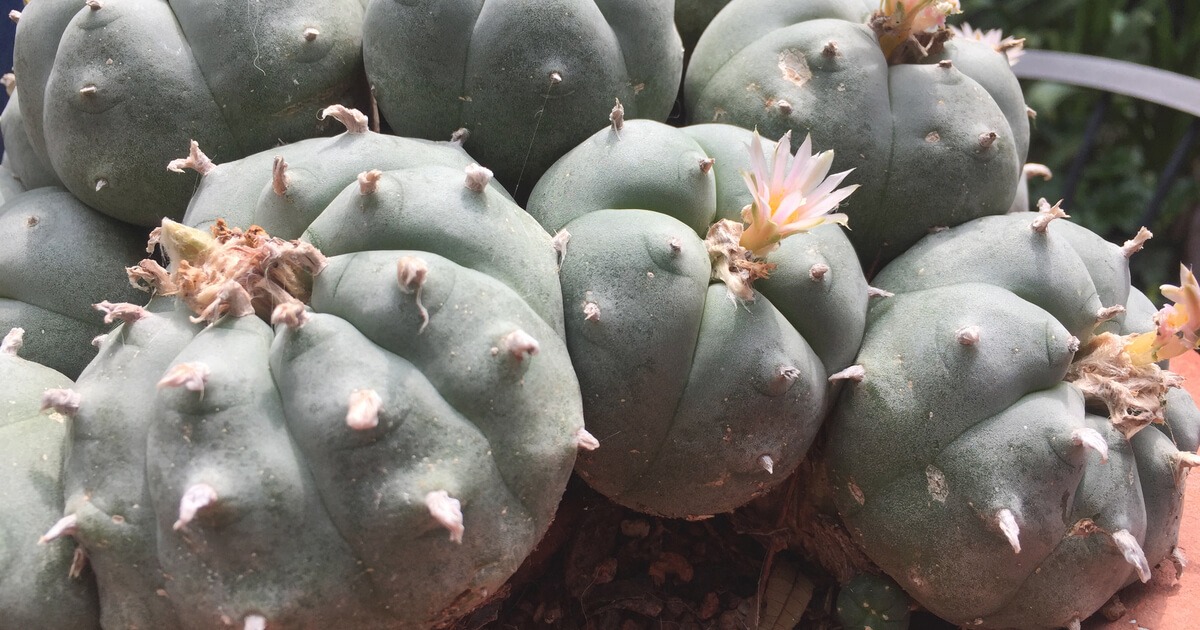
Peyote Explained: Legal Status, Effects, and Traditional Use (Educational Guide)
Peyote is one of the most talked-about sacred plants in the world, yet it is also one of the most misunderstood. Questions about legality, effects, traditional use, and comparisons to other psychedelics are common. This educational guide answers those questions clearly and responsibly, using a neutral, informative tone.
Is Peyote Illegal in the United States?
Yes, peyote is generally illegal in the United States. Under federal law, peyote and its primary psychoactive compound, mescaline, are classified as controlled substances. This means possession, sale, cultivation, or use is illegal for the general public.
However, there are important legal exceptions.

Who Is Allowed to Use Peyote?
Peyote may be legally used only in specific religious contexts. Federal law protects the ceremonial use of peyote by members of recognized Native American religious groups, most notably the Native American Church.
Outside of these protected religious practices, peyote use remains illegal for most people.

Can Native Americans Legally Use Peyote?
Yes. Members of recognized Native American religious traditions can legally use peyote as a sacrament in bona fide ceremonies. These protections exist to preserve traditional spiritual practices that predate modern drug laws.
Legal details can vary by state, but federal protections are in place for religious use.
Is Owning Peyote Legal?
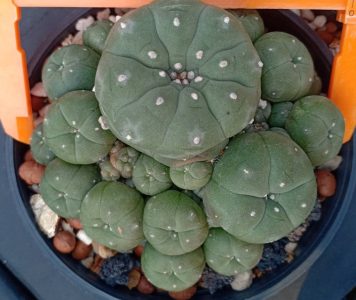
For most individuals, owning peyote is illegal, even if it is not consumed. The plant itself is regulated because it naturally contains mescaline.
Some other mescaline-containing cacti may be legal to own as ornamental plants, but peyote is treated more strictly than most cactus species.
Is It Legal to Own Psychedelic Cacti?
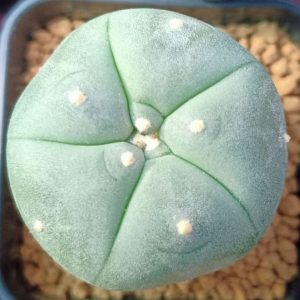
This depends on the species and the intent. Certain cacti that naturally contain mescaline (such as San Pedro or Peruvian torch) are commonly sold as ornamental plants and may be legal to own in some areas. However, using them for intoxication or extracting mescaline is illegal.
Legality varies by location, so local laws must always be checked.
Which Peyote Cactus Gets You High?
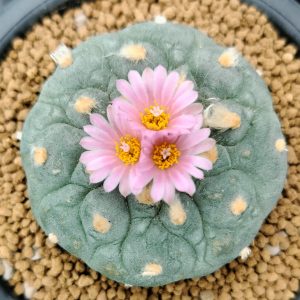
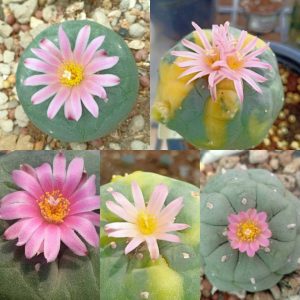
The species most commonly associated with psychoactive effects is Lophophora williamsii, the traditional peyote cactus. It contains mescaline, which produces psychedelic effects when consumed.
Other cactus species contain mescaline as well, but peyote is the most historically and culturally significant.
What Does Peyote Do to You?
Peyote affects both the mind and body. Its effects are primarily psychological and sensory, often described as deeply introspective rather than purely recreational.
Common effects include:
-
Altered perception of colors, shapes, and patterns
-
Visual hallucinations
-
Changes in time perception
-
Heightened emotional awareness
-
Deep introspection or spiritual reflection
What Does Peyote Do to Your Body?
Physical effects may include:
-
Nausea and vomiting (especially early in the experience)
-
Increased heart rate and blood pressure
-
Dilated pupils
-
Changes in coordination
-
Fatigue after the experience
These effects vary by individual, dose, and physical health.
Do Peyote Plants Make You Hallucinate?
Yes. Peyote contains mescaline, a psychedelic compound that can cause hallucinations and altered states of consciousness when consumed in sufficient amounts.
Simply owning or touching the plant does not cause hallucinations — ingestion is required.
What Do You Feel Like on Peyote?
Experiences vary widely, but people commonly describe:
-
A dream-like or visionary mental state
-
Strong emotional insight
-
Feelings of connection to nature or spirituality
-
Periods of introspection and clarity
The experience is often described as long, reflective, and mentally immersive.
How Long Does Peyote High Last?
A peyote experience is considered long-lasting compared to many other psychedelics.
-
Onset: 30 minutes to several hours
-
Peak effects: several hours
-
Total duration: 8 to 12 hours, sometimes longer
Residual effects such as fatigue or mental reflection may continue into the next day.
Will Peyote Make You High?
Yes. When consumed in psychoactive doses, peyote produces a psychedelic “high” due to mescaline. The intensity depends on dose, individual sensitivity, and environment.
Can You Sleep on Peyote?
Sleeping during the active phase is difficult for most people. Peyote is mentally stimulating and can keep users awake for many hours. Sleep usually becomes possible once the effects have mostly worn off.
What Are the Short-Term Effects of Peyote?
Short-term effects may include:
-
Hallucinations
-
Nausea
-
Anxiety or emotional intensity
-
Increased heart rate
-
Difficulty sleeping
Most short-term effects resolve within 24 hours.
How Long Is Peyote in Your System?
The subjective effects last much longer than the detectable presence in the body. While the experience can last 8–12 hours, the compound is gradually eliminated afterward. Individual metabolism plays a large role.
Is Peyote More Intense Than Ayahuasca?
Peyote and ayahuasca are very different experiences.
-
Peyote (mescaline): slower onset, longer duration, more gradual and introspective
-
Ayahuasca: faster onset, shorter total duration, often described as more emotionally and physically intense
Which is “more intense” depends on dose, setting, and personal sensitivity.
What Is Peyote Used for in Medicine?
Traditionally, peyote has been used as part of Indigenous healing practices addressing emotional, spiritual, and communal well-being. In modern contexts, scientific interest focuses on psychedelic-assisted therapy research, though peyote itself is not widely used in clinical medicine.
What Is the Traditional Use of Peyote?
Traditionally, peyote is used as a sacrament, not a recreational drug. Its uses include:
-
Spiritual ceremonies
-
Healing rituals
-
Prayer and meditation
-
Community bonding
Respect, intention, and ritual context are central to traditional peyote use.
Is Peyote Still Used Today?
Yes. Peyote remains actively used in Indigenous religious ceremonies today. At the same time, conservation concerns have grown due to habitat loss and overharvesting.
Does Peyote Have Any Health Benefits?
Some people report psychological or spiritual benefits, such as emotional clarity or personal insight. Scientific research into psychedelic compounds is ongoing, but peyote’s benefits are traditionally understood within ceremonial and cultural frameworks rather than conventional medicine.
Who Can Legally Use Peyote? (Summary)
-
Members of recognized Native American religious groups
-
Participants in protected religious ceremonies
Outside of these contexts, peyote use is illegal in most places.
What Drug Is Peyote Similar To?
Peyote is most similar to other classical psychedelics such as LSD and psilocybin, though its effects are often described as slower, longer, and more grounded due to mescaline’s unique properties.
Final Educational Note
Peyote is a sacred and culturally significant plant with deep historical roots. Legal restrictions, health considerations, and ethical respect for Indigenous traditions are essential when discussing peyote. This article is intended for educational purposes only and does not encourage illegal activity.
For those interested in peyote strictly from a botanical and educational perspective, you can explore responsibly cultivated specimens and information through the Sacred Peyote Shop, always in compliance with local and federal laws.